Warrensburg Community Solar Array
Warrensburg, NY
About This Project
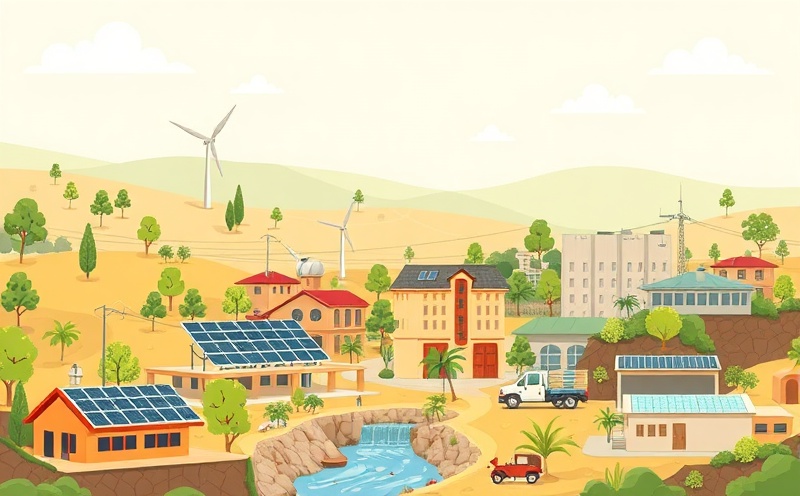
The Warrensburg Community Solar Array is a phased renewable energy project bringing the benefits of solar power to residents who cannot install rooftop systems. This community-owned array will generate 100+ kilowatts of clean electricity, reduce municipal energy costs, and demonstrate commitment to renewable energy and climate action. Phase 1 focuses on planning and feasibility assessment. Upon securing adequate funding and utility approval, subsequent phases include system design, equipment procurement, installation, and activation. Residents will subscribe to share the benefits of solar generation through reduced electricity bills and potential cooperative dividends.
FUNDING GOAL
$11K
STATUS
In Development
VOLUNTEERS NEEDED
15
LOCATION
Warrensburg, NY
Energy
Community-owned solar array bringing renewable energy to Warrensburg. Generate clean power while reducing municipal electricity costs and emissions.
Why It Matters
Solar power reduces fossil fuel dependence, lowers electricity costs for residents, and decreases carbon emissions. A community-owned system ensures local control and economic benefit, builds climate literacy through visible renewable energy, and creates a model for other communities to follow. It demonstrates that Warrensburg is serious about climate action and energy independence.
Expected Impact
- Target: 40–60 households participating in community solar subscription program
- Projected 100+ kilowatts of clean renewable energy generation capacity
- Estimated 20–30 tons of annual CO2 emissions avoided through solar generation
- 15+ community volunteers trained in renewable energy systems and cooperative governance
- Model system demonstrating feasibility of community solar for other regions
Community Benefit
40–60 households with access to clean renewable energy through community subscription. Potential reduced electricity costs (estimated $100–200/household annually, depending on financing structure and utility arrangements). 20–30 tons annual CO2 reduction. 100+ kilowatts clean renewable energy capacity. Community financial benefits depend on final ownership, financing, utility agreements, and subscription structure.
Timeline
Phase 1 (Month 1-2): Site assessment, outreach, and feasibility study
Phase 2 (Month 3-4): Permitting, design, and detailed engineering
Phase 3 (Month 5-8): Equipment procurement and financing setup
Phase 4 (Month 9-11): System installation and testing
Phase 5 (Month 12): Activation and subscriber onboarding
Ownership, Governance & Operations
Ownership
Ownership structure: To be determined during project development. Potential models include: community solar cooperative, nonprofit entity with community membership, municipal partnership, or shared community ownership with member investment.
Governance
Governance structure: To be determined during project development. Likely model: cooperative governance with member voting on major decisions, equipment upgrades, and reinvestment of energy revenue. Professional management for technical operations.
Operations
Operating structure: To be determined during project development. Model: professional solar operator manages technical systems and grid interconnection. Community board oversees financial decisions, expansion, and benefit distribution.
Estimated Annual Operating Responsibility
Estimated annual costs: ~$1,800 (maintenance $400 + insurance $800 + equipment reserve $600). Potential responsibility: cooperative member fees, energy savings distribution to subscribers, or municipal support.
Current Decision Point
Need: Finalize site selection and complete Phase 1 feasibility study ($11K). Secure utility company pre-approval for interconnection.
Funding & Financial Information
Financial Status
TOTAL PROJECT COST
$150,000
FUNDING SECURED
$0
CURRENT FUNDING GOAL
$11,000
FUNDING GAP
$150,000
Funding Status: We are seeking funding for this project. None has been secured at this time. The amounts above represent initial estimates based on projected needs and should be verified through detailed feasibility studies, vendor quotes, and professional assessments.
Startup Cost Breakdown
Estimated Annual Operating Costs
In-Kind Contributions (Not Included in Funding Goal)
In-kind contributions (volunteer labor, donated materials, provided space) are not counted as secured funding but represent essential project resources.
Long-Term Sustainability
After startup investment, solar systems generate clean energy indefinitely with minimal ongoing costs (~$1,800/year). Community subscribers offset maintenance costs through reduced electricity bills. System is designed to operate for 25+ years. A cooperative financing model allows community members to invest and share profits from energy generation.
Next Funding Milestone
Raise first $11,000 to complete feasibility study, site assessment, and detailed engineering
Funding Readiness & Strategy
Funding Readiness Level
Level 1: Budget Defined
Multi-Source Funding Strategy
Multi-source approach: USDA renewable energy grants, NY climate and clean energy programs, municipal partnerships, community investment, utility incentives.
Funding Opportunities
The following are real funding programs that may be relevant to this project. Each is categorized by status to help understand whether we're actively pursuing it, considering it, or still researching. No funding amounts are assumed—all award ranges require verification with the funding agency.
USDA Rural Energy for America Program (REAP)
USDA Rural Development
WHY IT FITS
Supports renewable energy development in rural areas and agricultural communities
APPLICANT ELIGIBILITY
Agricultural producers, small businesses, and rural communities in eligible rural areas
GEOGRAPHIC ELIGIBILITY
Designated rural areas nationwide
FUNDING RANGE
Research lead — verify current award ranges and application requirements
NEXT ACTION
Verify Warrensburg eligibility and contact USDA Rural Development for current REAP opportunities
Last verified: Feb 2025
Official source →NY Climate Smart Communities Grant Program
NY DEC
WHY IT FITS
Directly supports renewable energy and climate resilience projects
APPLICANT ELIGIBILITY
Requires Climate Smart Communities certification; check with NY DEC
GEOGRAPHIC ELIGIBILITY
New York state municipalities and certified communities
FUNDING RANGE
Varies by funding round
NEXT ACTION
Contact NY DEC to determine municipal Climate Smart Communities status and grant deadlines
Last verified: Feb 2025
Official source →NYSERDA Clean Energy and Climate Programs
NY State Energy Research and Development Authority
WHY IT FITS
NYSERDA offers multiple clean energy incentives including community solar support programs
APPLICANT ELIGIBILITY
Varies by program; multiple programs available for communities and nonprofits
GEOGRAPHIC ELIGIBILITY
New York state
FUNDING RANGE
Varies by specific program
NEXT ACTION
Review NYSERDA current community solar and renewable energy programs; verify eligibility and deadlines
Last verified: Feb 2025
Official source →Funding Pipeline
This is how projects typically move through the funding process:
Research
Identify funding programs and sources relevant to project
Eligibility
Verify project and organization meet program requirements
Partner
Connect with partner organizations if required by funder
Application
Develop and submit grant applications or funding requests
Award
Receive funding approval and finalize award agreement
Implementation
Deploy project and meet reporting requirements
Note: Not every project will follow this pipeline exactly. Some may pursue multiple funding sources in parallel, or skip certain stages based on their specific circumstances.
What We Need From Members
Licensed electrician
Solar installer
Community volunteers
Project coordinator
Permitting guidance
What Happens Next?
Finalize site selection, complete Phase 1 feasibility study ($11K), and secure utility company pre-approval for interconnection
Replication
This phased community solar model and cooperative governance structure can be documented as a replicable solar co-op toolkit, including planning guidance, financing structures, equipment specifications, installation protocols, subscriber recruitment strategies, and ongoing maintenance protocols for other communities launching community solar projects.
Ways to Help
Donate money: Fund planning, engineering, equipment, or installation
Donate space: Land or building surface for solar array installation
Invest as member: Join solar cooperative and share long-term energy revenue
Licensed electrician: Plan and oversee electrical installation
Solar installer: Lead system installation and testing
Community organizer: Recruit residents and coordinate subscriptions
Project manager: Coordinate timeline, permitting, and communication
Funding Status
0 supporters
Volunteers Needed
volunteers to make this work
We're Looking For
Interested in This Work?
Connect with us to contribute your skills, resources, or time to making this project real.
Contact Us